Top 5 Types of Performance Marketing
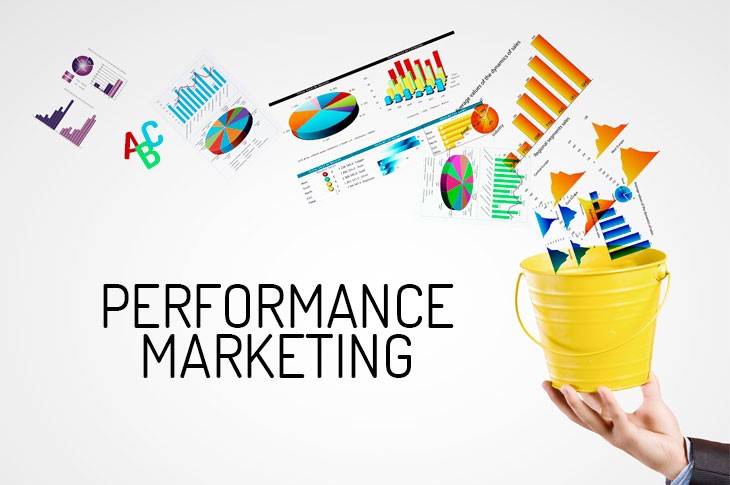
Performance marketing is a results-driven digital marketing strategy. Advertisers and brands can reach the desired audience and generate measurable results by using this strategy. In performance-based marketing, advertisers only pay when the marketing company or platform generates specific results. These are shares, impressions, clicks, conversions, leads, sales, etc.
Performance marketing ads run on multiple platforms and channels – social media marketing, search engine marketing, native ads, affiliate marketing, videos, etc. Thus, performance marketing is not a typical organic marketing strategy. Instead, it drives, tracks, and measures specific outcomes or audience interactions on digital. Since everything is measurable, brands can gauge the ROI of each asset, campaign, or activity accurately.
There are five broad performance marketing channels that you can utilize for your campaigns.
Search engine marketing (SEM)
Search engines and keywords form the crux of successful digital advertising – and it is no different when it comes to performance marketing. In SEM, advertisers can bid on keywords on search engines like Google for their sponsored native ads to appear in the results. Here, for every ad click, the advertiser must pay. This is also called paid search or pay-per-click advertising.
When it comes to retargeting customers and providing them with contextually-relevant ads, performance marketers use native advertising. As the name suggests, native ads are tailored to the content with which and the medium on which they are published. This way, drive the reader to action while immersing oneself in the information provided. Native ads are measured in pay-per-click or pay-per-impressions.
Sponsored content
Sponsored content is a performance marketing medium in which celebrities, influencers, content sites, PR sites, etc. publish sponsored posts to market a brand and its products or services. These posts are usually highly contextual and allow brands to access the prominent reach of the influencers/channels to gain a wider audience. Once again, CPC, CPM, CPA or free goods are the costs that a brand can pay here.
Native advertising
When it comes to retargeting customers and providing them with contextually-relevant ads, performance marketers use native advertising. As the name suggests, native ads are tailored to the content with which and the medium on which they are published. This way, drive the reader to action while immersing oneself in the information provided. Native ads are measured in pay-per-click or pay-per-impressions.
Social media marketing
With social media channels and influencers all the rage these days, advertisers can run paid marketing and influencer marketing campaigns through these mediums to target different audiences. Every social media channel has a specific USP and helps engage a specific user intent through native ads. Likes, shares, follows, subscriptions, comments, purchases, etc., are some of the performance indicators that are targeted.
Affiliate marketing
Affiliate marketing is another great medium for performance marketers to generate sales, subscriptions or website traffic. Here, affiliates are influencers and channels that promote the ads through their marketing efforts and earn a commission. Some examples include influencers directly posting product links and ads on their channels or the use of banner ads on websites.
When used effectively, performance marketing is a powerful tool without anu doubt. Successful marketers are now going beyond simple brand building to increasingly focus on data analytics and performance marketing strategies that deliver proven ROI.